














European Sustainable Energy Week – Concrete’s contribution to energy efficiency in buildings
On 11 February 2009, the European Concrete Platform (ECP) highlighted the numerous sustainable benefits of concrete as a building material during the Sustainable Energy Week organised by the European Union. Devoting a session to energy-efficient buildings, the ECP demonstrated that concrete buildings and infrastructure works are part of the solution to achieve the EU energy and CO2 saving targets.
When assessed over the whole life cycle of a building, concrete outperforms all other primary construction materials in terms of energy efficiency. The thermal inertia of concrete allows it to absorb and store surplus heat or cold, and release these back to the ambient air (heat in winter and coolness in summer). This can reduce heating energy consumption by 2-15% and reduce energy use for cooling by up to 50% when combined with natural ventilation.
To demonstrate other general sustainability characteristics, concrete also has excellent sound suppression and vibration dampening properties and absorbs both low and high frequency sounds. It does not burn and therefore offers comprehensive fire protection including life safety, protection of property and of the environment in case of fire.
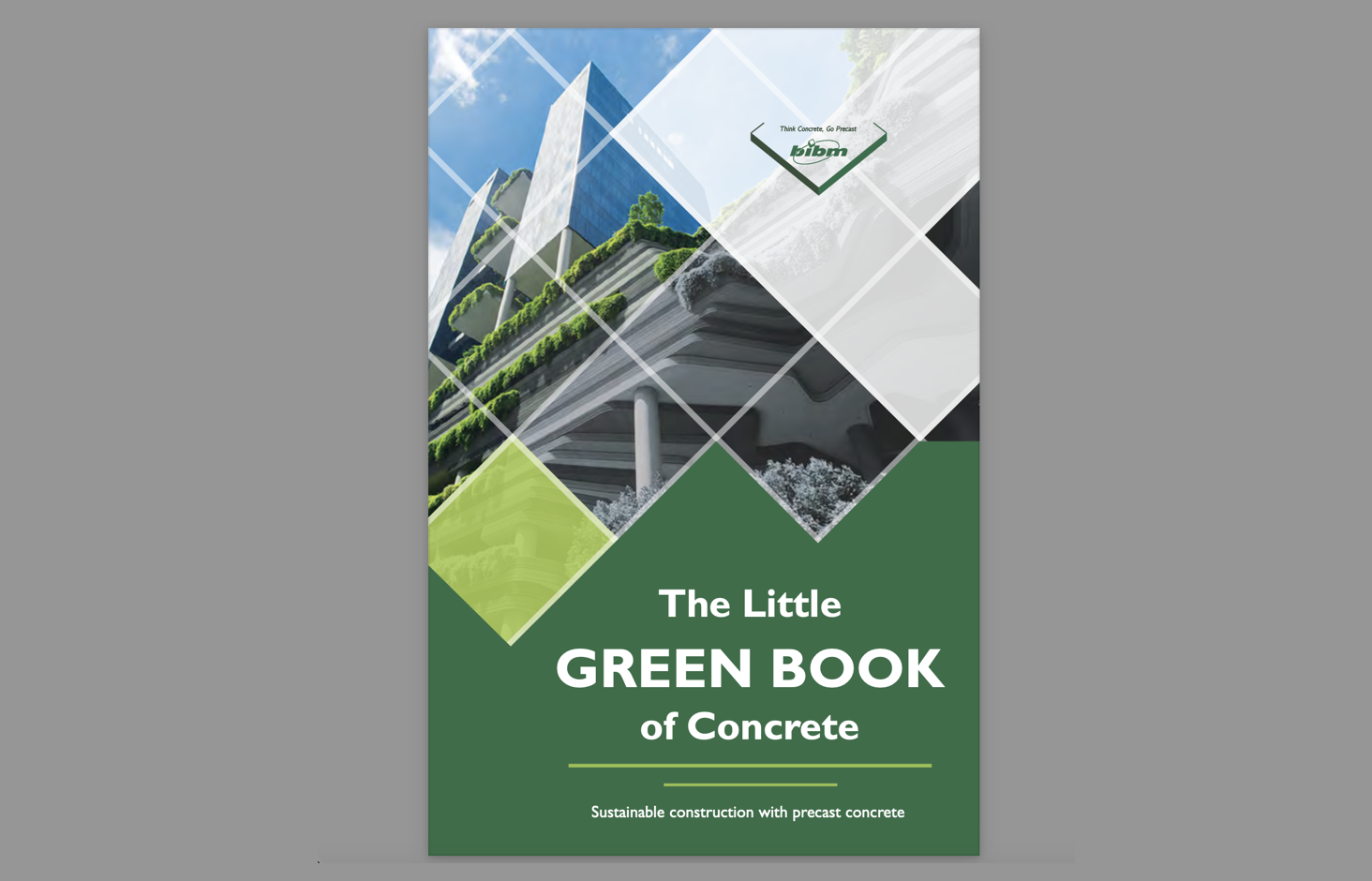
This session also provided an opportunity to launch the latest ECP publication on the sustainable advantages of concrete structures.
These and other contributions of concrete as the ultimate sustainable construction material are documented and can be downloaded from www.europeanconcrete.eu.

Have a look at our speakers' presentations:
Programme of the Conference
J.P. Jacobs - Presentation of the European Concrete Platform
M. Clarke - Launch of the book on the Sustainable Benefits of Concrete Structures (link to the book)
T. De Saulles - Presentation of the brochure on Energy-efficiency (link to the brochure)